Our story
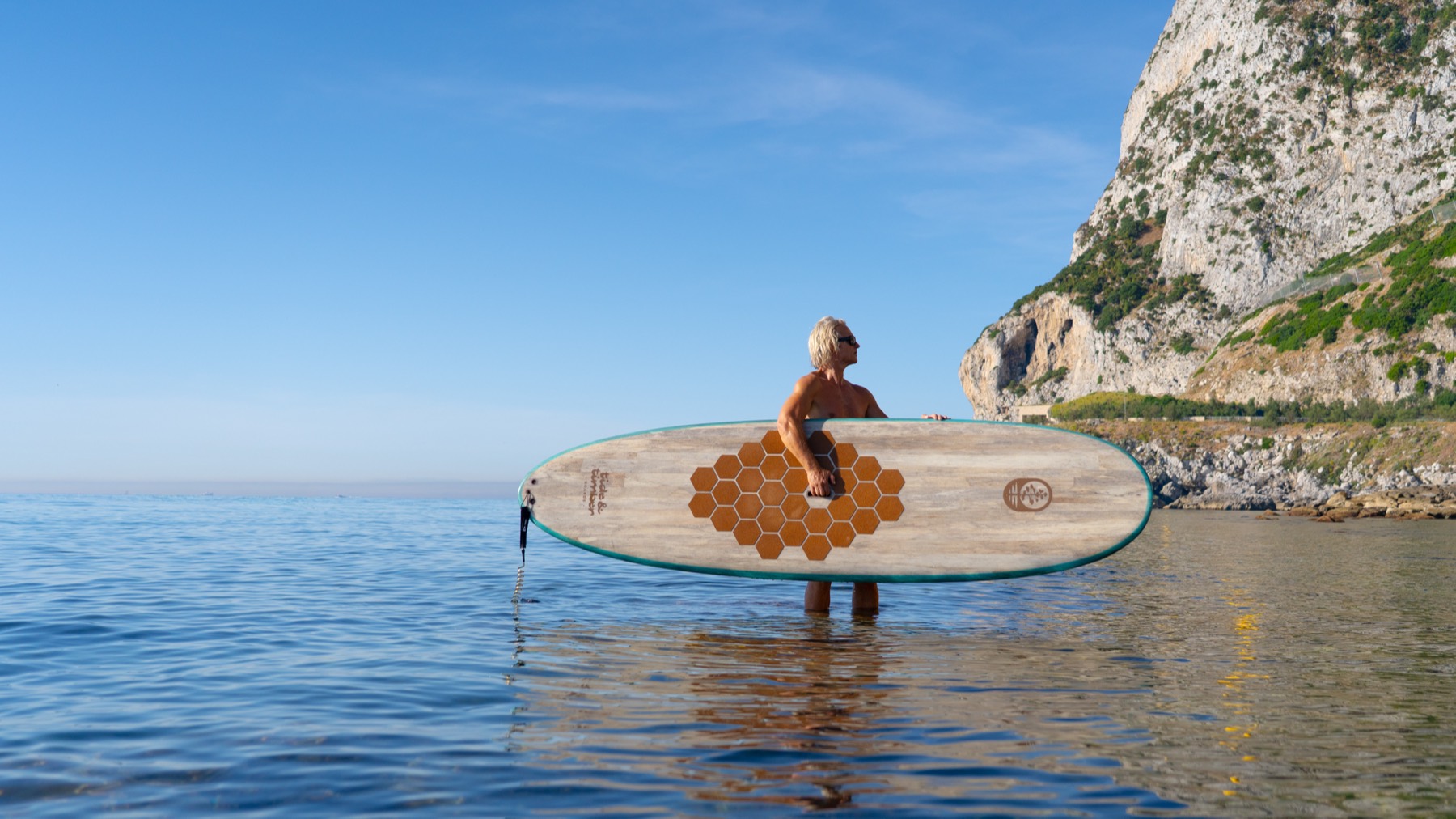
The board that works with nature, not against it.
Tide & Timber started with a problem most of the industry had learned to ignore — and a question no supplier would answer.
"When we feel a sense of belonging in nature… we also inherit a responsibility to protect it."
The spark
Mountains of broken boards.
It's time for the surf / SUP industry to come clean.
Every season, the watersports trade throws away mountains of broken boards — petroleum-foam shells, and cheap, multi-plastic inflatables that are difficult to recycle and end their lives in landfill. We went looking for a paddle board built to a different standard, made at any real scale. There wasn't one.
When we asked the established manufacturers, the answer was always the same: if you want it, you will have to develop it yourself. So we set out to build the board that didn't exist.
We do not chase trends. We refine materials.
Every Tide & Timber board tells a story — of nature, craftsmanship and community.
Of conventional surf equipment is derived from the petrochemical industry.
Tonnes of petrochemical foam waste generated annually from surfboard shaping alone.
kg CO₂e in a single 6ft surfboard — more carbon than a forest tree can absorb in two decades.
The answer
A core that stores carbon, not emits it.
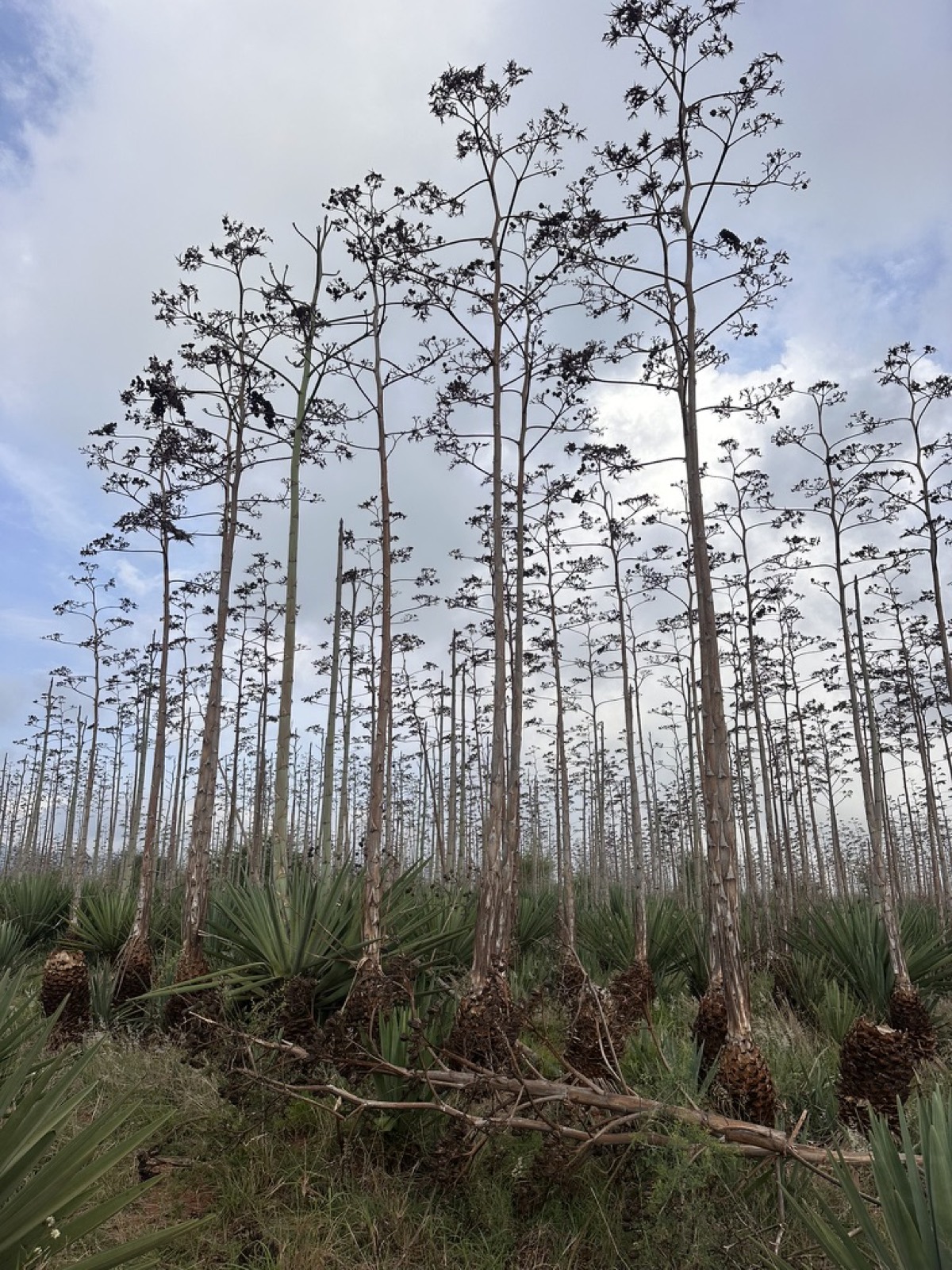
The core is roughly seventy per cent of a paddle board's carbon footprint — so that is where we began. We partnered with Grow Blanks in Kenya, who transform the agave's unused flowering stalk, an agricultural by-product, into a durable, lightweight composite blank.
The result is a board grown from a plant that fixes carbon as it grows, rather than one shaped from a barrel of oil. Working with nature, not against it.
How we build
Three questions, asked of every board.
Sustainability here is not a label applied at the end. It is the first decision, and it shapes every one after it.
-
Where do the materials come from?
Renewable agave, grown as a by-product on semi-arid land that grows little else. It requires zero irrigation and zero pesticides — no oil refinery, no competition with food.
-
How long will it last?
A board built to be repaired and ridden for years, not replaced at the end of a season.
-
What happens to the waste during shaping?
All shaping waste is 100% biodegradable and compostable. Off-cuts become firewood for nearby villages, and nothing is sent to landfill.
Built to last
Made to keep, not to replace.
A board that lasts ten to fifteen years instead of five almost halves its lifetime footprint. So the Agave 10 is engineered to be durable and repairable — the most sustainable board is the one you never need to replace.
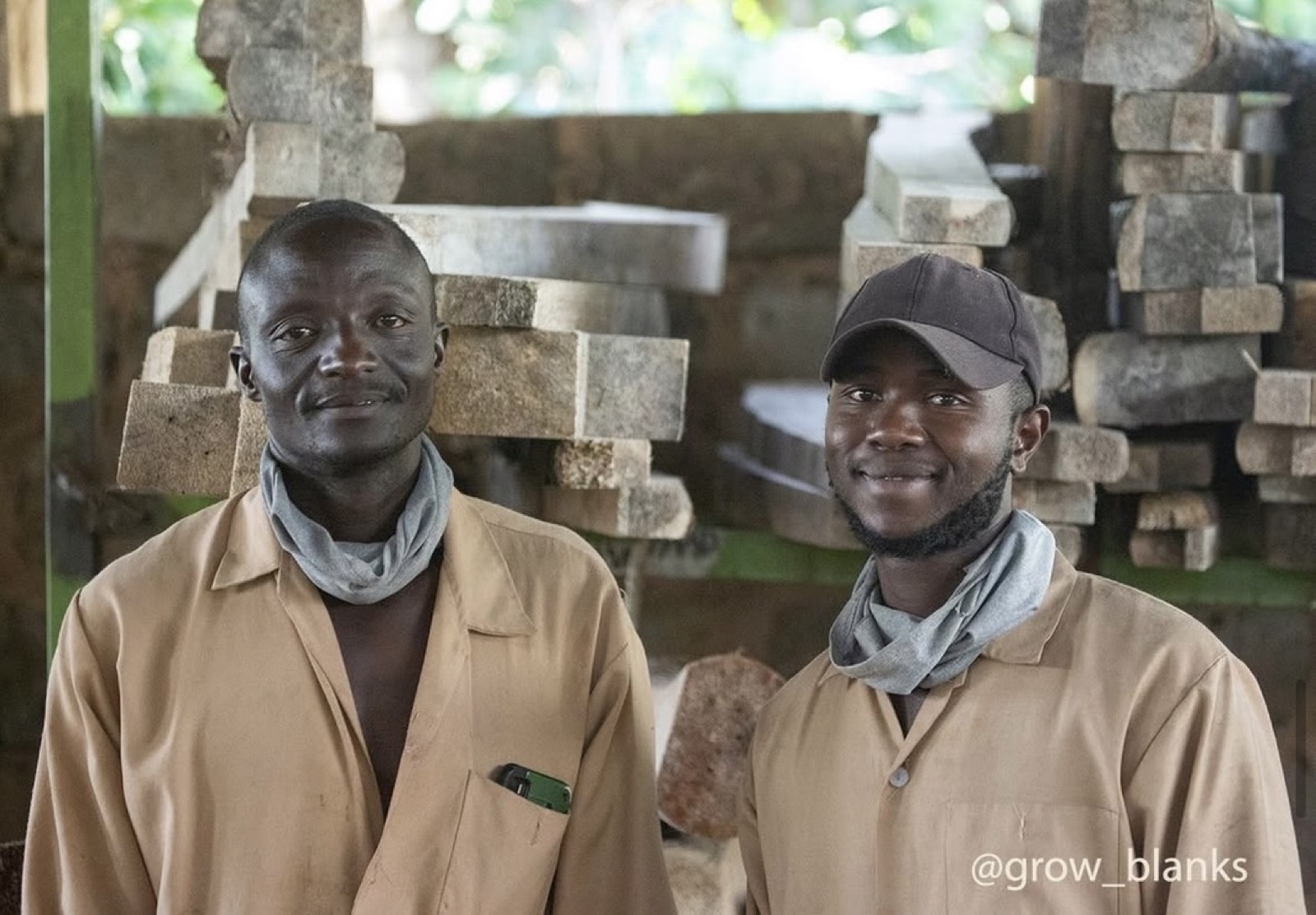
And the work matters as much as the material. Production supports skilled employment in a region with high unemployment, turning farm waste into a product the world wants.
We set out to prove that working with nature delivers better performance, not compromises.
Award-winning sustainability
Recognised, and independently verified.
The Agave 10 holds Gold Level ECOBOARD verification — the highest tier of global third-party accreditation, confirming that Tide & Timber boards are constructed from sustainably sourced wood, use extreme high bio-content resin, and are manufactured in fully audited facilities. Gold Level is verified by the non-profit Sustainable Surf (ecoboard.sustainablesurf.org).
- Winner — Gibtelecom Business Innovation Awards 2026
- GibYellow Business Awards — Micro Enterprise Winner 2026
- Nautilus Project Sustainable Awards — Innovation Winner
There is a better way. It is called the Agave 10.
The best way to understand the Agave 10 is to paddle it — built from nature, designed to last.